
Where Cars Are Actually Headed Right Now (Beyond the Hype)
The Automotive Industry Right Now: Hybrids, Software, and a Return to Rugged
Walk into a dealership, scroll through a car forum, or spend ten minutes talking to a mechanic, and you'll notice the conversation has changed. Not long ago, the debate was binary: gas versus electric, traditional versus self-driving. Today the picture is messier and far more interesting. Automakers are hedging their bets, software is reshaping hardware, and drivers are pushing back in unexpected ways.
Here are the trends actually shaping the industry.
Hybrids Are Claiming the Middle Ground
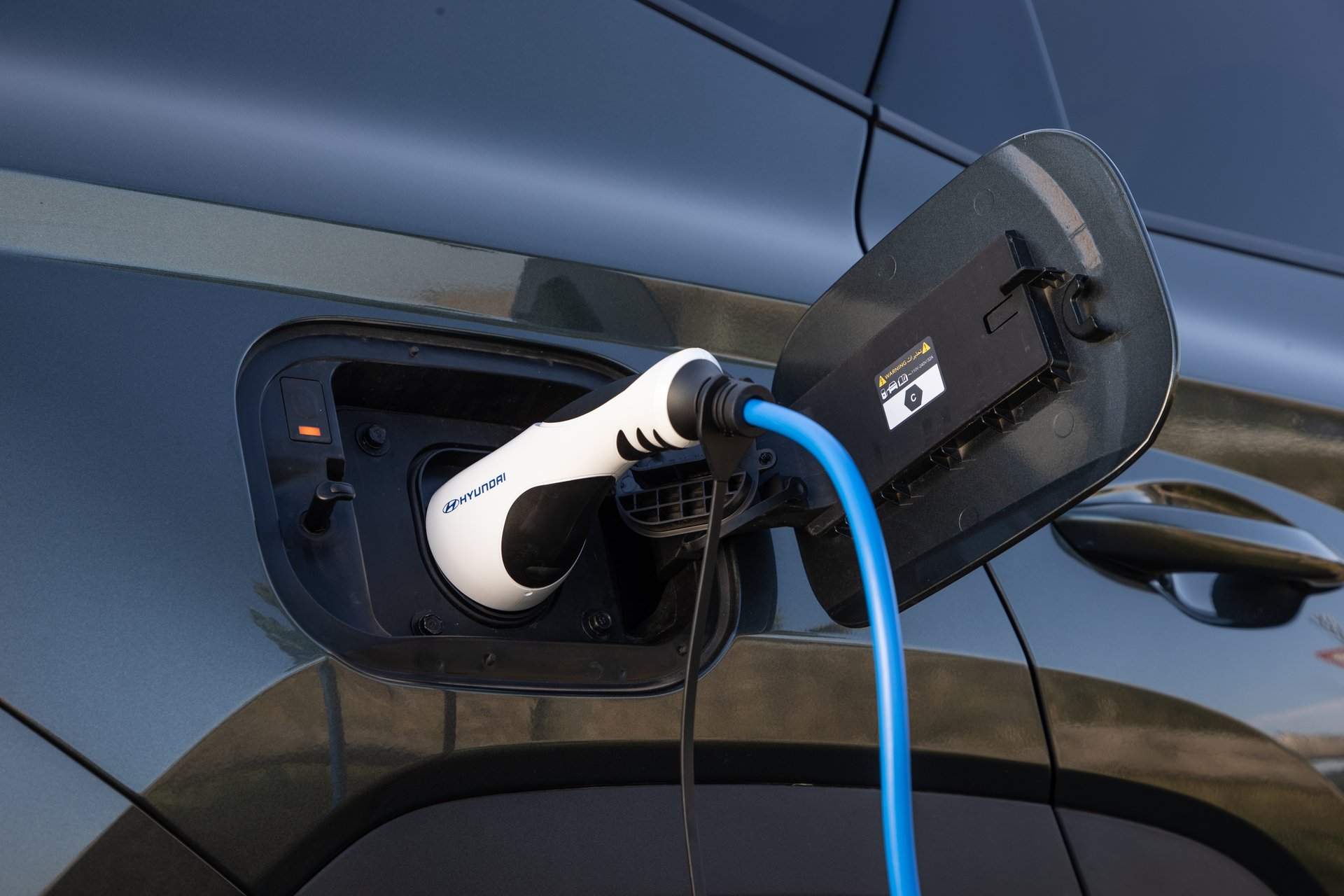
Pure EVs are far from dead, but the rush toward all-electric lineups has met real-world obstacles. Charging infrastructure, range anxiety on long trips, and high sticker prices have kept many buyers on the fence. Carmakers have responded by pivoting hard toward hybrids and plug-in hybrids (PHEVs).
For many drivers, a good hybrid or PHEV hits the sweet spot: lower fuel costs in stop-and-go traffic, no worry when the nearest fast charger is far away, and refueling habits that feel familiar.
Behind the scenes, battery engineers are working on two fronts. One is scaling up cheaper, more durable LFP (lithium iron phosphate) chemistry for everyday vehicles. The other is advancing solid-state research, which promises lighter packs and faster charging down the road. Hydrogen, meanwhile, remains in play mainly for commercial and heavy-duty applications, where batteries become too heavy to be practical.
The Car as a Rolling Computer
The biggest quiet revolution is happening in how vehicles are wired. Traditional cars carry dozens of separate control modules scattered throughout the chassis. Software-defined vehicles are moving toward centralized zonal computing: fewer control units, simpler wiring, and far more code running the show.
Once the hardware is centralized, over-the-air (OTA) updates become much more than an infotainment gimmick. They can reach into battery thermal management, chassis tuning, and driver-assistance systems. Add smarter in-cabin voice and AI tools, such as predictive maintenance alerts and routes that adapt to real-time conditions, and the car's brain becomes as important as what's under the hood.
Self-Driving Is Growing Up, Slowly
Full, go-anywhere autonomy is still a long way off, and most drivers know it. Progress is coming in more targeted forms: driverless robotaxi zones expanding in select cities, and highway systems that allow hands-off (or even eyes-off) driving under tightly controlled conditions.
Underneath it all lies a fierce engineering debate. Some teams favor layered sensors, combining cameras, radar, and LiDAR for redundancy. Others are betting on camera-centric setups powered by end-to-end neural networks. Either way, expectations have become more grounded. The technology is helping the driver more, not replacing them everywhere overnight.
Megacasting on the Factory Floor
Manufacturing is evolving too. Megacasting uses enormous presses to produce large, single-piece aluminum structures in place of dozens of welded parts. The result can be lower weight and faster assembly. Before a prototype ever reaches a test track, engineers are also stress-testing cooling, airflow, and durability in digital twins, virtual replicas that catch problems early.
The Pull Back Toward Rugged
At the same time, there's a clear appetite for tough, capable 4x4s and trail-ready vehicles. Some buyers want classic mechanical grit, others want retro styling built for rough terrain, and others want modern overlanding capability. What they share is a desire for vehicles that can handle bad roads and real abuse, not just smooth tarmac.
The Bottom Line
The car world isn't settling into one neat lane anytime soon. We're in a mashup era: hybrids bridging the gap, software tying the vehicle together, driver aids getting smarter in slices, and rugged machines holding their ground. Whether you're following the technology, planning a build, or simply choosing a daily driver, there's plenty worth paying attention to.