
Buying a Used Car? Here’s What to Check First
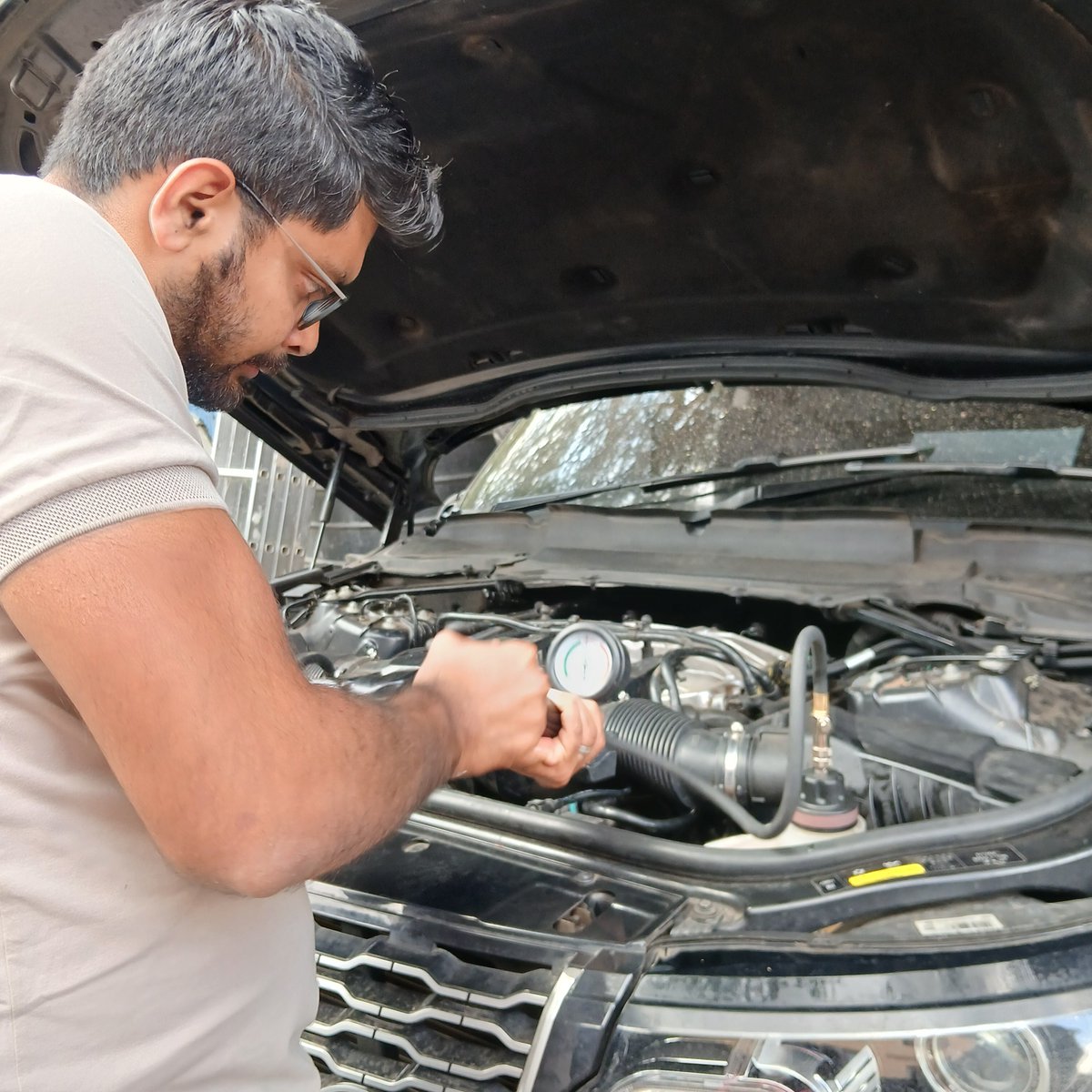
Purchasing a used car in Kenya can be an exciting journey, but it requires careful consideration. Whether you're looking for a budget-friendly option or your dream car, making an informed choice is key to avoiding future headaches. This guide will help you navigate the used car market in Kenya and ensure you’re getting a good deal. Here's what to check before you buy a used car in Kenya.
1. Inspect the Car’s Exterior and Body
When buying a second-hand car in Kenya, the first thing you’ll want to do is assess the car’s exterior and body. The condition of the body can give you clues about how well the car has been maintained.
Look for Rust: Rust is a common issue for used cars in Kenya, especially in coastal areas like Mombasa, where the salty air accelerates corrosion. Check the wheel arches, undercarriage, and door frames for rust.
Check for Dents and Scratches: Minor cosmetic flaws are typical, but deep dents or large scratches could be signs of accidents. Ask the seller for details about the car's history, and ensure the car hasn't been in a major collision.
Inspect the Paint: Uneven paint or mismatched colours could signal that the car has undergone repairs, which might hide accident damage. Be cautious if the paint job looks too fresh.
2. Check the Engine’s Condition
The engine is the heart of the car, and its condition directly affects how long the car will last. Here’s what to check when evaluating the engine:
Engine Oil: Check the oil level and quality. Clean, amber-coloured oil indicates that the car has been well-maintained. If the oil looks black or gritty, it may mean the car hasn’t had regular oil changes.
Leaks: Examine the engine bay for signs of oil or coolant leaks. A leak can be costly to fix and could indicate poor maintenance.
Check the Belts and Hoses: Look for wear or cracks on the belts and hoses, as these components need to be in good condition to prevent breakdowns.
3. Evaluate the Suspension and Tires
Suspension issues and worn-out tires are common problems in used cars for sale in Kenya. Be sure to thoroughly inspect these components:
Suspension: Press down on each corner of the car. The car should return to its normal height without bouncing excessively. If the car continues to bounce, the suspension may be worn.
Tires: Check the tires for tread depth. Shallow tread can be dangerous, especially on wet roads, which are common during the rainy season in Kenya. Uneven tire wear may indicate alignment issues, which can be costly to fix.
Test Drive: When test driving the car, listen for unusual noises like clunking or rattling. These sounds may signal suspension or steering issues.
4. Inspect the Interior Features
The interior of the car should be comfortable and functional. Make sure that the car's features are in good working order:
Seats and Upholstery: Look for rips, stains, or worn-out upholstery. While some wear and tear is normal, major issues could signal neglect.
Dashboard and Controls: Check if all controls (air conditioning, radio, power windows, etc.) are functioning. Be sure there are no warning lights on the dashboard when you start the car, such as the check engine light.
Odour: A musty smell can indicate a water leak or mold, which could suggest past flooding or damp conditions.
5. Verify the Car’s Documentation
In Kenya, proper paperwork is essential when buying a second-hand vehicle. Ensure that all documents are in order:
Logbook: The car’s logbook should be in the seller's name, and the details (like make, model, and chassis number) should match the car. If the logbook is missing or doesn’t match, it could be a sign of potential issues.
Inspection Certificate: Ensure the car has passed the motor vehicle inspection at an authorized testing center like the National Transport and Safety Authority (NTSA).
Transfer Forms: The seller should have the necessary transfer forms to complete the change of ownership. Without these, you might face legal complications.
6. Check the Mileage
Mileage is an important factor when purchasing a used car in Kenya. A car with lower mileage may have more life left in it, but don’t be fooled by just the numbers.
Compare Mileage to Condition: Sometimes, a car may have low mileage but appear worn out. The vehicle’s overall condition should align with the mileage. If it doesn’t, there may be underlying issues or odometer tampering.
7. Get a Vehicle History Report
Before finalizing your purchase, get a vehicle history check to uncover important details about the car’s past. In Kenya, you can request a vehicle history report from the NTSA.
Accident History: A report will show whether the car has been involved in any accidents. While minor accidents aren’t always a deal-breaker, severe accidents might indicate structural damage.
Outstanding Fines: Check for any unpaid fines or penalties attached to the vehicle. Unresolved fines could transfer to you after the sale.
Ownership History: The fewer owners the car has had, the better. Frequent changes in ownership may indicate problems with the car.
8. Negotiate the Price
After thoroughly inspecting the car and verifying its documentation, it’s time to negotiate the price. Here are some tips to get the best deal:
Market Research: Use online platforms like Cheki Kenya, Jiji Kenya, or local dealerships to get an idea of the average price for the car you’re interested in.
Repairs and Maintenance: If you notice any issues during your inspection, use these as leverage to negotiate a lower price.
Bring a Mechanic: If you're not confident in your ability to assess the car’s mechanical condition, consider bringing a mechanic with you to inspect the car.
Conclusion
Buying a used car in Kenya requires careful attention to detail. By checking the car’s body, engine, suspension, interior, and paperwork, you can ensure that you make an informed decision. Don’t forget to conduct a vehicle history check and negotiate the price to get the best possible deal.
Whether you’re buying from a dealer or a private seller, take your time and be thorough in your inspection. A little extra effort can save you a lot of money and frustration down the road. Happy car hunting!